
Noxious Weed Management
The Problem
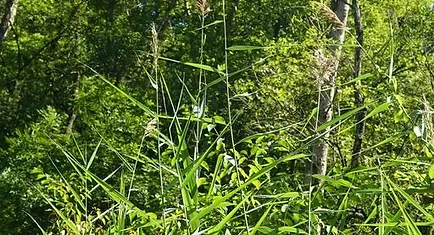
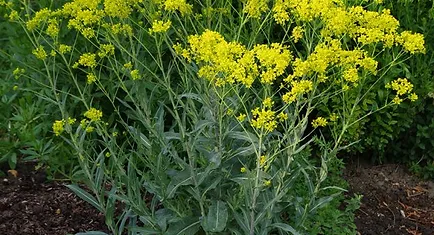
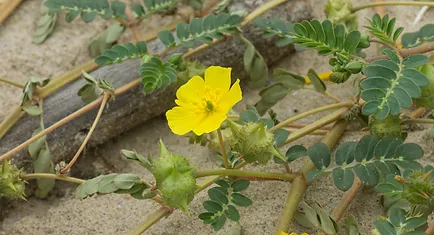
From subalpine peaks to the shores of Great Salt Lake, Weber County is home to many biomes found in Utah. The geographic diversity in the county allows for a variety of land uses, economic opportunity, and beautiful vistas. Likewise, there is ample opportunity for invasive species to establish and spread. Invasive, poisonous, or otherwise nuisance plants are classified as “noxious weeds” by the State of Utah. Examples include puncturevine, field bindweed, common reed, and dyer’s woad. Negative impacts are usually weed specific, but overall, healthy weed populations bring economic losses, pose immediate fire or flood hazards, and damage fragile ecosystems.
The Solution
Effective weed management is a team effort. Every person, land manager, municipality, government agency, and entity responsible for a piece of ground is also responsible for weed abatement on that property.
The Weed Department will inspect, advise, assist, encourage, and, as time and budget allow, apply the appropriate chemical for a price. You may find out more about your legal responsibility for weed control and how weeds harm our environment through the noxious weeds resources below.
Official Notice
Weber County General Notice of Noxious Weeds
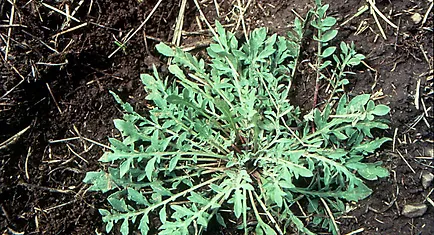
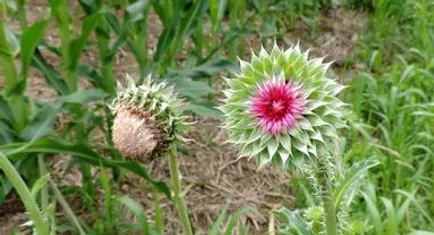
Notice of noxious weeds in Weber County is hereby given pursuant to the Utah Noxious Weed Act, Utah Code Annotated Chapter 4-17. The noxious weeds with the greatest impact in our area are burdock, dalmatian toadflax, dyer’s woad, garlic mustard, houndstongue, Japanese knotweed, leafy spurge, myrtle spurge, phragmites, puncturevine, purple loosestrife, rush skeleton weed, scotch thistle, whitetop, and yellow starthistle. Additional noxious weeds with potential to impact our area can be found at the link below.
Report Weeds
Weed Reporting
Reporting weeds has never been easier. Use the application linked below to help report noxious weeds in your area.
Resources
Weed Control Guides
Training Video
How to Properly Mix Herbicides
Contact and Quick Links